- +254 (0) 794 591 307
- reservations@silvamontana.com
- Mt. Kenya Forest Gate @ Chogoria

Mount Kenya Hiking
Mount Kenya Hiking
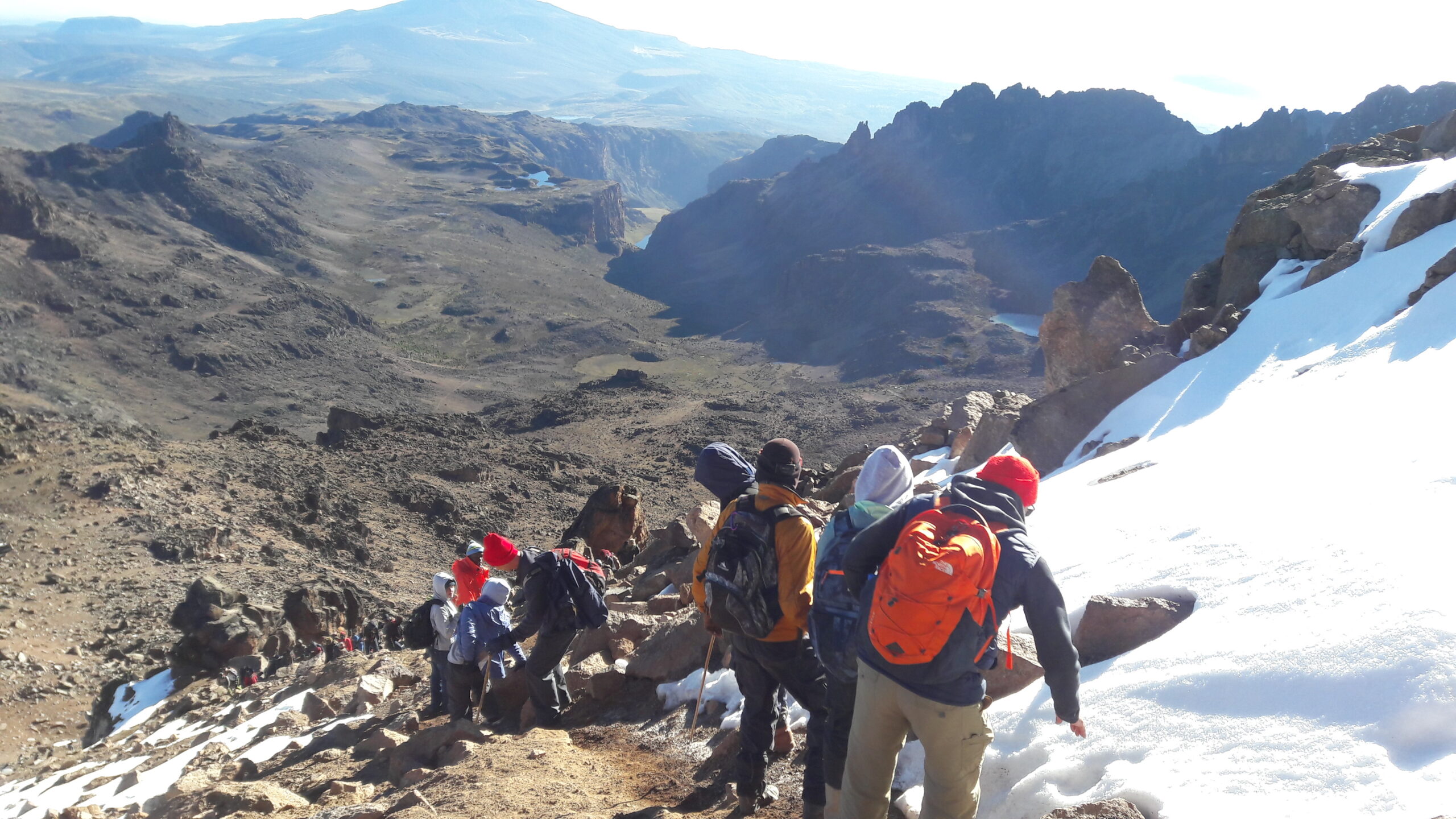
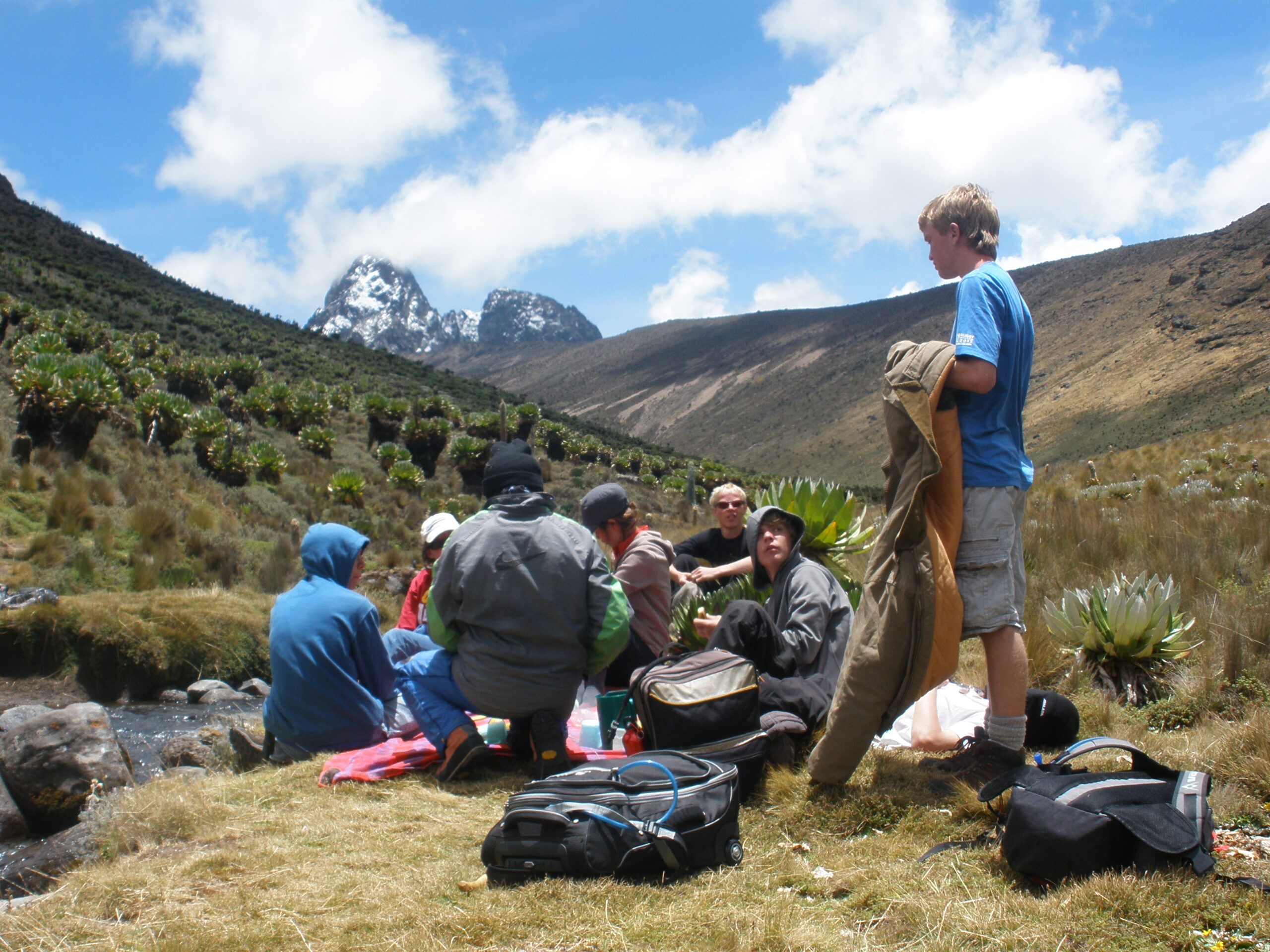
Silva Montana Hotel offers exhilarating hiking excursions on Mount Kenya, Africa’s second-highest peak. Guided by experienced locals, guests traverse scenic trails through dense forests, alpine meadows, and rocky slopes, encountering diverse wildlife and breathtaking landscapes along the way.
Whether aiming for the summit or exploring lower trails, hikers enjoy panoramic views and a sense of achievement. With well-planned routes and safety measures, the experience is both challenging and unforgettable.
Reserve Your Excursion Adventure Today!
Best Mount Kenya Trekking Packages for UK, USA
If you are dreaming of conquering the picturesque landscape of Mount Kenya, then Silva Montana’s adeptly crafted hiking and trekking expeditions are designed just for you. Adventure seekers and nature lovers are sure to love our Mount Kenya hiking and trekking package that promises an unforgettable escape to Africa’s second-highest peak. Hiking through the majestic blend of lush forests, glacial valleys, and alpine terrain, along with breathtaking summits is a voyage filled with challenge and adventure. For enjoying a safe, rewarding, and unforgettable Mount Kenya trekking tour, visitors can book our meticulously planned trekking packages comprising knowledgeable guides, well-planned itineraries, and personalized support. We specialize in crafting personalized Mt. Kenya hiking and trekking tours matching visitors’ style and interests. Whether visitors are eying a challenging solo trek, a fun-filled family safari, or a relaxing friend retreat, we design the itinerary exactly as per our client’s preference. At Silva Montana, we make effort to materialize visitors’ dreams of conquering Mount Kenya into an exhilarating and meaningful adventure.
A Deep Insight into Mount Kenya
Mount Kenya standing at 5199 meters is Africa’s second-highest peak and is the most exhilarating trekking destination of the continent. Situated majestically in central Kenya, Mount Kenya is the most iconic natural landmark. This ancient extinct volcano promises an unmatched adventure that stands out from any mountain experience in the world. Comprising distinct equatorial flora, stunning glacial landscapes, and a diverse ecosystem, this mountain offers a highly technical and nerve-wracking hiking and trekking experience. The mountain range covers approximately 715 square kilometers and enjoys dual protection from Mount Kenya National Park and Mount Kenya National Reserve. This has further helped the mountain to preserve the rich biodiversity and unique ecosystems, and also earned it UNESCO World Heritage Site status in 1997. Featuring an extraordinary range of landscapes such as heather-covered moorlands, bamboo thickets, dramatic alpine zones, and lush green montane forests, it is a preferred hiking and trekking destination. Its three main summits are Batian, Nelion, and Point Lenana among which Point Lenana is mostly accessed by trekkers whereas Batian and Nelion are considered technically challenging peaks. These summits create a rugged skyline captivating trekkers, climbers, and nature-lovers alike. Whether travel enthusiasts are eyeing trekking Point Lenana or looking to discover scenic trails, Mount Kenya hike guarantees an inspiring blend of adventure, beauty, and ecological wonder.
Highlights of the Mount Kenya Trek
A Mount Kenya hike and trek is a highly rewarding alpine experience where visitors get exposed to rich biodiversity and stunning landscapes. Stepping into this hiking trip allows visitors to embark on the heart of Kenya’s wilderness blending culture and awe-inspiring landscapes. Point Lenana of Mt. Kenya is the highest trekking peak rising to 4,985m that is achievable for fit hikers offering them completely immersive experience. The UNESCO World Heritage-listed is regarded as Africa’s most visually stunning mountain. Key highlights of the Mt. Kenya hiking and trekking tour include
Summit the Highest Accessible Peak – Visitors can reach the highest accessible peak, Point Lenana, which is a non-technical yet rewarding summit and favorite point for those seeking thrills and adventure.
Mount Kenya Popular Trekking Routes
Mount Kenya’s popular trekking routes promise stunning landscapes and thrilling experiences for hikers of all skill levels. Adventurer lovers sometimes combine routes, like choosing Sirimon while ascending and picking Chogoria while descending to enjoy beauty as well as comfort during the trek. Popular trekking routes of the mountain include:
Clothes and Equipment to Accompany
For a safe and enjoyable Mt. Kenya hiking and trekking tour, visitors need to perfectly prepare for the trip. To ensure safe, comfortable, and smooth ascent, visitors need to smartly pack clothing to adapt to changing weather at the varying altitudes of the mountain. They need to pack clothes for the changing weather from windy alpine regions to warm forest zones. Trekkers should focus on layered clothing to accommodate changing temperatures and pick sturdy footwear for uneven terrain. Besides, trekkers need to pack some essential personal items for overnight stays, navigation, and hydration. To gain confidence for navigating forests, glacier-carved valleys, and moorlands trekkers will need a well-prepared pack for a hassle-free hiking experience. Find below some practical items that should be accompanied while on a hiking and trekking tour:
- Refillable water bottles
- Waterproof hiking boots with good ankle support
- A sleeping bag that can withstand sub-zero temperatures
- Sunscreen and personal toiletries
- Sunglasses
- Lightweight hiking shoes
- Quick-dry clothing and socks
- Essential Medications
- First-aid Box
Factors to Consider before Embarking on Mount Kenya Hiking and Trekking Tour
Visitors before planning Mount Kenya hiking and trekking should be aware of the environmental, physical, and logistical demands of the journey. The unpredictable weather, challenging terrains, and varied altitudes of the mountain require visitors to meticulously plan for the hiking tour to ensure a safe, comfortable, and rewarding experience. Besides being physically fit, trekkers need to perfectly pack their stuff as per the changing climates to enjoy the Mount Kenya hike. Trekkers need to choose an ideal trekking route depending upon their ability and should have a proper acclimatization plan to avoid altitude sickness. To ensure successful hiking experience, visitors should hire an experienced tour operator like Silva Montana to gain a sound understanding of park regulations and get mentally prepared for long trekking days. To greatly enhance their overall hiking adventure, visitors need to consider a few factors beforehand to confidently trek and enjoy the diverse landscapes, wildlife, and breathtaking summit views of the mountain.
Best Time to Plan Mount Kenya Hiking Trip
The best time to hike Mount Kenya is during the dry seasons from January to March and July to September. This is the ideal time because the weather is stable and visibility is clear, making trailing conditions safe and smooth. The warm season and bright skies provide excellent summit views, making it perfect for photography and high-altitude trekking. Dryer months are ideal for longer scenic routes, as during these months trekkers can explore the diverse landscapes from forested lower slopes to alpine peaks. In these months, paths are dry and trekkers don’t have to face challenge of heavy mists or muddy paths. Visitors can plan trekking throughout the year but they are advised to avoid rainy seasons and wetter months to experience a more comfortable and enjoyable mountain adventure.
Why Choose Silva Montana for Mount Kenya Hiking and Trekking Trip
To enjoy a safe, well-organized, and enriching Mt. Kenya hiking and trekking experience, visitors should look no further than Silva Montana. We, at Silva Montana, are known to offer meticulously crafted itineraries, knowledgeable guides, and well-managed Mount Kenya trekking packages, showcasing our dedication to responsible tourism. Our trekking and hiking packages are fine blend of comfort, challenge, and wilderness exploration to ensure unforgettable hiking experience. In addition to these, we can also customize the hiking trip exactly as per the clients’ requirements so that they can plan the hiking trip as per their requirements. Both first-time trekkers and seasoned hikers will enjoy with us because of our meticulous planning, attention to detail, and strong safety standards. We ensure that visitors indulge in meaningful cultural interactions and enjoy a memorable mountain climbing experience. Some of the key reasons to hire Silva Montana include:
FAQs
Do Visitors require permit to climb Mount Kenya?
Yes, visitors planning Mount Kenya hike need a permit to climb Mount Kenya. All trekkers and hikers need to pay the Mount Kenya National Park entrance fee, which is issued by the Kenya Wildlife Service and is also considered as the climbing permit. This permit is also vital in supporting conservation efforts and provides access to designated trails, camps, and summit routes.
What is the best time of the year for hiking Mount Kenya considering weather conditions?
January to March and July to September are considered the best time of the year to plan Mount Kenya hiking. This is considered as the ideal time to trek and hike because these are the warmer and dryer months. Besides these months offer clearer skies, stable trails, and has minimal rainfall chances making Mount Kenya trekking safer and more enjoyable. The chance of reaching the summit is much higher due to the better visibility and tolerable temperatures.
What are usually included in a Mount Kenya trekking package?
A typical Mount Kenya trekking and hiking package includes national park permits, accommodation in huts or tents, trekking guides, porters along with all meals and drinking water consumed during the trek. It also includes round-trip transport between the town base and the trailhead and some packages even include safety equipment, basic first aid, and route planning.
How long does it take to climb Mount Kenya?
Mount Kenya climbs usually take 4-6 days, which mostly depend on the chosen route and the acclimatization schedule. However, a safe ascent to Point Lenana through popular routes such as Sirimon, Chogoria, and Naro Moru take four to six days. However, by adding one additional day hikers will be able to comfortably reach the point and this also increase the chance of successful hiking.
What’s the best route to climb Mount Kenya for acclimatization?
Sirimon Route is the best route to climb Mount Kenya for acclimatization because it offers a gradual and steady ascent. This provides trekkers more time to adjust to the rising altitude. This route comprises beautiful scenery, gentle terrain, and well-paced elevation gain, making it ideal for beginners and experienced hikers alike. Sometimes trekkers prefer this route for the ascent with the Chogoria Route for descent for acclimatization and to enjoy stunning landscapes.
How challenging is Mount Kenya hiking?
Hiking Mount Kenya is recommended for trekkers with a good fitness level, as this hiking tour is moderately challenging. The high altitude, steep sections, and long trekking to Point Lenana demand physical fitness, stamina, and proper acclimatization, despite the ascent being non-technical. Weather changes with the changing altitude that adds to the hikers difficulty and so with proper preparation and experienced assistance, determined hikers can successfully and safely trek the mountain.
What wildlife can be encountered during a Mount Kenya hiking tour?
Mount Kenya hiking tour offers trekkers an opportunity to discover a rich variety of wildlife, as the lower zones of the mountain is home to buffaloes, bushbucks, elephants and colobus monkeys, while higher zones is home to hyraxes and unique bird species such as sunbirds and eagles. Trekkers can even spot giant forest hogs and various antelopes and the diverse ecosystems of the mountain make wildlife sightings a memorable part of the trekking experience.
What is the shortest route to Point Lenana?
The Naro Moru Route is the shortest route to reach Lenana Peak because it has the most direct ascent. This route is fast and popular and takes usually 3–4 days to reach the summit. Naro Moru route is also steeper and includes challenging sections that makes the route less ideal for acclimatization. Trekkers who are looking to quickly climb the point often choose this route but they need to be well-prepared for its demanding terrain.
What gear is usually required to trek Mount Kenya?
Essential gear that are usually required to safely and comfortably trek Mount Kenya across different terrains include waterproof jackets and hiking boots, warm layered clothing, thermal jacket, warmer, and warm hat. In addition to these, hikers will also require sleeping bag, trekking poles, headlamp, snacks, hydration bottles, sunscreen, snacks, and first-aid box. With all the essential gear and equipment in the pack, trekkers will be able to handle colder nights and unpredictable weather conditions.
Can equipment be rented for Mount Kenya trekking?
Visitors planning Mount Kenya trekking can easily rent trekking equipment, as several tour operators as well as gear shops in Nairobi and Nanyuki provide these gears on rent. Travelers who avoid carrying heavy gear on the trekking trip can rent these items for their convenience and comfort. However, travelers are recommended to carry few personal items for comfort and reliability.
LOCATION DETAILS
Silva Montana Hotel
Mt. Kenya Forest Gate
@ Chogoria
CONTACT DETAILS
Tel: +254 794 591 307
Tel: +254 722 301 118 Email:reservations@silvamontana.com
OPENING HOURS
Open Mon-Fri: 24hrs
Open Sat – Sun: 24hrs
Open Public Holidays: 24hrs
Find Us



Copyright © 2026 Silva Montana Hotel All Rights Reserved Design and Develop by Urban Kreative Ltd